Gold Price Analysis and Forecast (XAU/USD) – July 30, 2024
Current Situation
Recently, gold prices have experienced significant volatility. On the 1-hour chart of XAU/USD, we can observe clear cycles of uptrends and downtrends, creating a challenging yet fascinating picture for investors and traders. Currently, gold is trading around $2,383.323, hovering between critical support and resistance levels.
Support and Resistance Levels
To gain a comprehensive view of the market, the first step is to identify the support and resistance levels. These are points where the price is likely to react strongly, helping us predict future trends.
Resistance:
$2,480.807: This is the highest resistance level on the chart. Historically, the price has failed to break above this level and has dropped significantly after touching it.
$2,432.065: Another critical resistance level where the price has faced rejection and dropped sharply.
$2,415.187: An intermediate resistance level where the price has reacted and turned downwards.
$2,401.937: A nearer resistance level to the current price. The price has struggled to break above this level and has declined afterward.
Support:
$2,371.808: The nearest support level. If the price drops and breaks below this level, it could continue to fall further.
$2,353.195: A lower support level where the price might find support if the above support level is broken.
Current Trend
With the current price at $2,383.323, gold is situated between support and resistance levels, indicating market indecision about the next direction. The 1-hour chart provides a short-term view, but it is sufficient to identify crucial points to watch.
Short-Term Forecast
Bullish Scenario:
If the price breaks above the nearest resistance level of $2,401.937 and sustains above this level, it could test higher resistance levels like $2,415.187 and $2,432.065.
Positive economic news or a weaker USD could help push the price higher.
Bearish Scenario:
If the price fails to break above $2,401.937 and starts to decline, it could test the nearest support level of $2,371.808.
If this support level is broken, the price could continue to fall to $2,353.195.
General Recommendations
Monitor Economic Indicators: Events such as announcements from the Federal Reserve, employment reports, and inflation data can significantly impact gold prices. These news events often create substantial volatility and can change the market trend in the short term.
Use Stop-Loss Orders: Place stop-loss orders to manage risk in case the market moves against your prediction. This helps protect your trading account from unwanted losses.
Combine Technical and Fundamental Analysis: Use both methods to have a comprehensive view of the market. Technical analysis helps identify trends and key price levels, while fundamental analysis provides insights into economic factors and news that could affect gold prices.
How Much Money Can You Earn Investing in Forex?
How much money to earn in Forex is a question that not only new traders will think about, but also investors. To know the most accurate answer, Kintech will analyze what factors will affect the amount of money earned so traders know which skills to focus on developing and how many resources to devote to trading.
Ways to Make Money From Forex
Before starting to answer how much money Forex makes, surely all traders must be aware that Forex or other financial markets are always high risk, especially Especially, you can burn your account and lose all your capital.
Being aware of that, here are popular ways to make money from Forex:
- Through currency pair trades
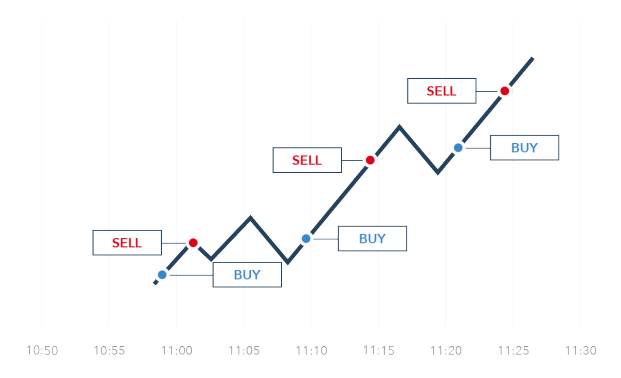
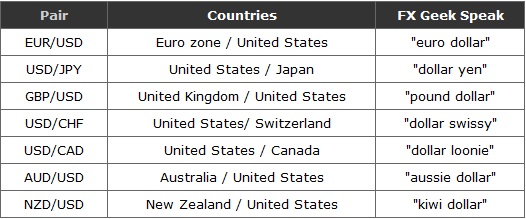
This is the most basic way to make money from the foreign exchange market. Traders will create an account at the exchange, deposit money, choose a currency pair and place an order. Note that you need to choose reputable exchanges to avoid the risk of being scammed and encountering technical errors.
If you have a certain level of knowledge and skills, trading can bring you a steady profit of 5-20% per month. However, if you continuously lose money, traders need to pause and improve their “skills” before thinking about how much money they can earn in Forex.
- Through funds
If you have a small amount of capital but have extensive experience, you can look to investment funds and funding. These funds will often have specific conditions on profit and capital management for each account. If those conditions are exceeded, traders will be automatically funded. - Through selling signals
Once you have a certain confidence in your transactions, how much money Forex makes depends on investors who will buy signals from your own transactions.
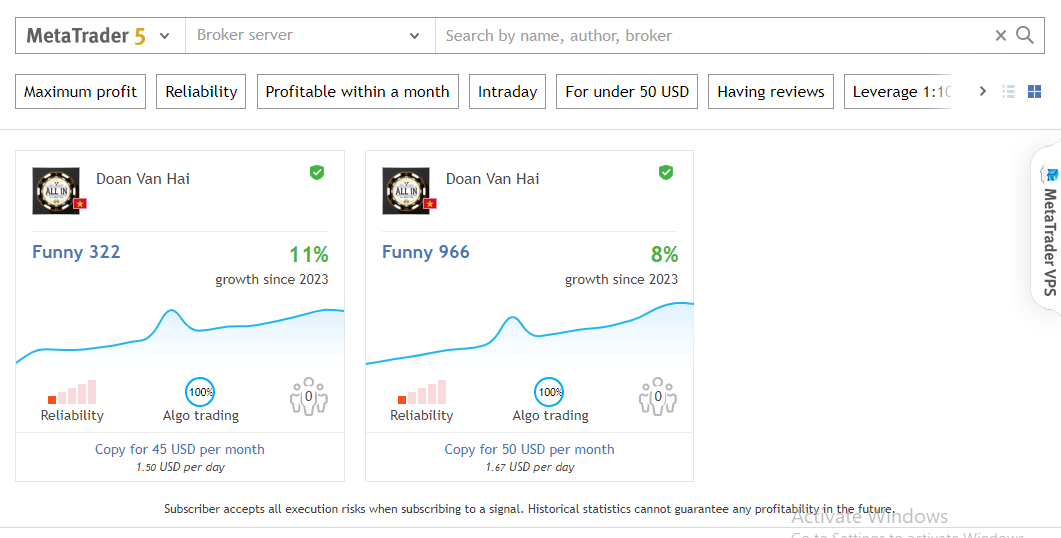
To receive this commission, traders need to have a higher rate of successful transactions than losing orders, and a trading time in the market long enough to gain trust and reputation in the trading community. pandemic. Different trading platforms will have different opportunities for masters.
- Through brokerage support
The least risky way to make profits but takes a lot of time. The job is quite different from the above 3 types because in addition to trading skills, personal branding skills are also important so that you will be a bridge between customers and brokers. The more people you attract to trade for that broker, the larger the commission you will receive.
How Much Money Make Forex
Getting straight to the point: How much money do you make on Forex?
The answer is unlimited, from 5-10% of capital per month to doubling your account within 1 week is possible.
However, this depends on many factors from the economic and political situation to the trader’s ability.
Factors That Affect How Much You Earn Forex
- Capital amount
Capital size will make quite a difference in finding the answer to how much money you can make on Forex. The potential of a capital of 10,000 USD will certainly be much higher than that of someone with only a capital of 100 or 1,000 USD because of the opportunity to leverage and effectively use many tools, trading more currency pairs at the same time.

- Transaction form
In addition to common leverage trading, traders can also optimize income sources by creating many different forms of trading such as using trading robots (expert advisor), copytrade, etc. With more options , traders have the opportunity to have additional sources of passive income in addition to regular trading. - Trading style
There are two factors when it comes to trading style in how much money Forex makes: Volume and holding time. With trading volume, the number of lots you spend on each large or small trade will affect your profits. Normally with a capital of 10,000 USD, the ideal and easy-to-manage volume is usually around 0.01-0.04 lots.
With the time of holding an order, Day Trading or Scalping will also expect different profits. Traders can “accumulate little to make big” with many transactions on the M15 or M5 frame and expect more with the H1 day D1 frame.
- Experience
Setting expectations also needs to be consistent with experience, it is difficult for new traders to have the same success as veteran traders. Profitable trading strategies, systems and approaches sometimes take years to develop.
Besides, the time you spend trading also largely determines how much money you make in Forex, full-time traders will have more time to trade than those who only see this as a side job.
Tips to increase profits
Understanding that how much money you earn on Forex depends on many different factors, traders need to optimize the factors they can control, which is themselves. Here are the essential tips to get the highest win rate:
- Use a capital management platform
Not only with foreign exchange, a person who can manage capital well in any market is certainly a factor for success in the near future. The question of how much money you can make in Forex won’t make sense if you don’t do it well. Trading diary, managing declines, determining full TP and SL, etc. are things you should practice regularly to avoid being influenced by emotions. - Profit comes with discipline and knowledge
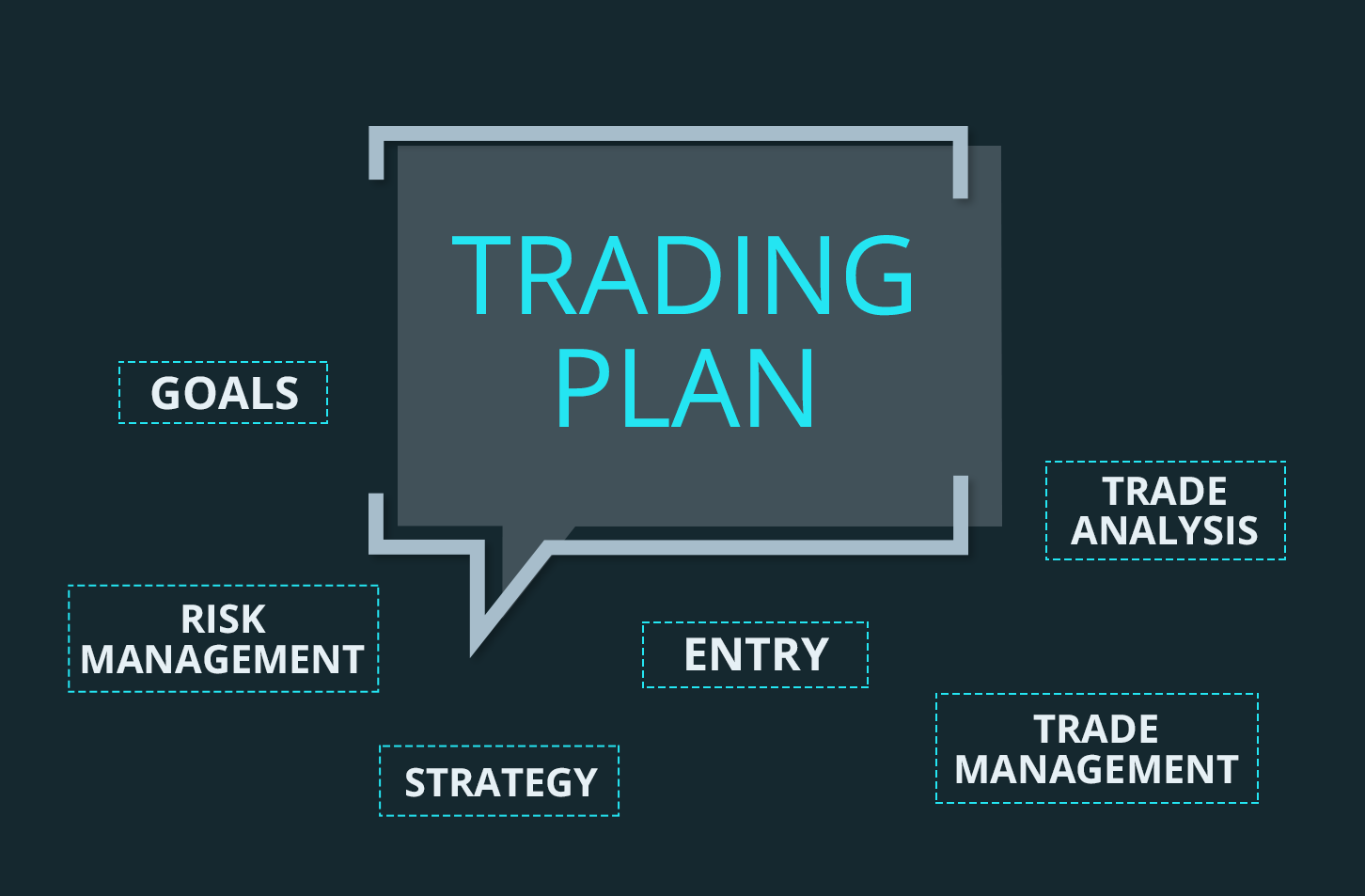
When investing in Forex, drawing up a plan and process for 1 day/ 1 week or 1 month of trading is necessary and seriously execute it regularly. Regulations on the number of lots and profits within a certain period of time help you get rid of psychological stress or the feeling of “gambling” and greed, wanting to get rid of the problem.
- Prepare for all situations
In addition to setting goals that are not too high, you should also have a backup plan if the market suddenly fluctuates as expected. Calculating the time it takes to recover your account in case of a loss will help you have a clear direction and not get discouraged or easily give up.
Typically, you may only have 5 or 10 qualifying positions per month if trading on a daily time frame. Therefore, so that the answer to how much money you can make on Forex is always a positive number, calculating the number of losing orders you are allowed to lose is also a way to ensure the amount of profit you have earned.
Summary
Through the above information, hopefully you have estimated the number for yourself on the question of how much money you can earn in Forex. Each trader will have a different number depending on the factors mentioned. At its core, making a profit in any market requires basic knowledge and skills. After a period of practice, traders will gain experience and train themselves to be more professional.
Understanding the Gold Standard: A Stabilizing Monetary System
The gold standard has been a significant aspect of the global financial system, providing stability and serving as a benchmark for currencies. In this article, we will delve into the concept of the gold standard, its historical origins, and its impact on the economy. Join us as we explore the intricacies of this monetary system that has shaped financial history.
What Is the Gold Standard?
The gold standard refers to a monetary system in which the value of a country’s currency is directly linked to a fixed quantity of gold. Under this system, each unit of currency represents a specific amount of gold, creating a tangible and universally recognized measure of value. The gold standard acts as a benchmark, ensuring that currencies have intrinsic worth backed by the precious metal.
Historical Origins of the Gold Standard
The gold standard has roots that trace back centuries. England emerged as a pioneer in implementing the gold standard due to its substantial gold discoveries. This monetary system gained prominence during the late 19th century and became the foundation for the international monetary system from the 1870s to the early 1920s. It experienced a brief interruption but was reestablished from the late 1920s to 1932 and again from 1944 until 1971.
How Does the Gold Standard Work?
Under the gold standard, the value of a currency is fixed in relation to a specific quantity of gold. This fixed exchange rate establishes a stable relationship between the currency and the precious metal. The currency is freely convertible into gold at a predetermined rate, either domestically or internationally. This convertibility ensures that the currency has a tangible backing and maintains its value.
Advantages of the Gold Standard
The gold standard offers several advantages:
- Stability: The fixed exchange rate provided by the gold standard promotes stability in the economy, as it eliminates fluctuations caused by monetary policy decisions or political factors. This stability fosters confidence in the currency and encourages investment and economic growth.
- Intrinsic Value: The link to gold gives currencies under the gold standard intrinsic value. This value is not solely based on the trust in the issuing authority but on the tangible and universally accepted worth of gold itself.
- Limiting Inflation: With a fixed amount of gold backing the currency, the gold standard imposes a restraint on the expansion of the money supply. This limitation helps prevent excessive inflation, as the supply of money cannot be arbitrarily increased.
- International Consistency: The gold standard facilitates international trade by providing a common benchmark. Since currencies are linked to a fixed amount of gold, exchange rates between different countries remain relatively stable, promoting global economic cooperation.
Criticisms of the Gold Standard
Despite its advantages, the gold standard has faced criticism:
- Limited Flexibility: Critics argue that the gold standard restricts the ability of central banks to implement monetary policies necessary to respond to economic crises. The fixed exchange rate limits the flexibility to adjust currency values, potentially hindering efforts to stabilize economies during challenging times.
- Supply Constraints: The availability of gold is limited by its physical quantity, making it difficult to expand the money supply to accommodate economic growth. Critics argue that this limitation can lead to deflationary pressures, hampering economic development.
- Vulnerability to Speculation: The gold standard is susceptible to speculative attacks, as investors can potentially exploit discrepancies between the price of gold and the fixed exchange rate. Such attacks can destabilize currencies and create economic volatility.
FAQs
FAQ 1: Is the gold standard still in use today? Answer: No, the gold standard is no longer in use as a global monetary system. After the United States terminated convertibility of the US dollar to gold in 1971, the world shifted to a system of fiat currencies, where the value is not backed by a specific commodity.
FAQ 2: Did all countries adopt the gold standard? Answer: Not all countries adopted the gold standard. However, during its peak, many major economies, including the United States, United Kingdom, Germany, and France, were part of the gold standard system.
FAQ 3: Can the gold standard prevent financial crises? Answer: While the gold standard provides stability, it is not immune to financial crises. Economic factors, speculative activities, and external shocks can still impact the stability of currencies linked to gold.
FAQ 4: Is there a possibility of a return to the gold standard? Answer: The likelihood of a return to the gold standard is uncertain. The current global monetary system is predominantly based on fiat currencies, and any significant shift would require extensive coordination and agreement among nations.
FAQ 5: What is the role of gold in the modern economy? Answer: In the modern economy, gold plays a multifaceted role. It serves as a store of value, a hedge against inflation and economic uncertainties, and is used in various industries, including jewelry, technology, and investment markets.
Conclusion:
The gold standard, with its historical significance and impact on the global economy, remains an intriguing aspect of monetary systems. While no longer in use today, the gold standard provided stability, intrinsic value, and a common benchmark for currencies. As we continue to navigate the complexities of the modern financial landscape, understanding the principles and effects of the gold standard allows us to appreciate the evolution of our monetary systems.
How Much Gold Is There in the World ?
Gold has been a highly sought-after precious metal throughout history. Its allure and value have made it a symbol of wealth and prosperity in various cultures. But have you ever wondered just how much gold exists in the world? In this article, we will explore the estimated quantity of gold that has been mined to date, its value, and the significance of this precious metal in the global economy.
The Quantity of Mined Gold Throughout History
According to the best estimates available, it is believed that approximately 208,874 tonnes of gold have been mined throughout history (Gold.org, 2023). This staggering figure indicates the substantial scale of gold mining operations worldwide. It is important to note that two-thirds of this total amount were mined since 1950, demonstrating the increased demand for gold in recent decades. What makes gold even more fascinating is its indestructibility, which means that almost all the gold ever mined still exists in some form today.
The Everlasting Value of Gold
Gold’s eternal nature is one of the reasons why it has maintained its value over time. Unlike many other commodities, gold does not corrode or tarnish. This quality has made gold a reliable store of wealth and a safe haven investment during times of economic uncertainty. Investors and central banks often hold gold as a hedge against inflation and currency fluctuations.
The Global Stockpile of Gold
As of November 2021, it is estimated that the total amount of gold in the world was around 201,296 tonnes (Visual Capitalist, 2021). To put this into perspective, if we consider the current price of gold at $1,756.66 per ounce, the total value of all the gold in the world would be a staggering $12.5 trillion. This immense value highlights the significance of gold in the global economy and financial markets.
Gold’s Use in Various Industries
Gold’s value extends beyond its status as a precious metal. It has a wide range of applications in different industries. One of the most notable uses of gold is in the jewelry industry, where it is prized for its beauty and durability. Gold is also used in electronics and technology due to its excellent conductivity and resistance to corrosion. Additionally, gold plays a vital role in dentistry, as it is used for dental fillings, crowns, and other dental restorations.
Gold Production and Mining
Gold production is an intricate process that involves exploration, mining, and refining. The mining of gold can take place through various methods, including open-pit mining, underground mining, and placer mining. Once the gold ore is extracted from the earth, it undergoes a refining process to remove impurities and create pure gold bars or other forms suitable for commercial use.
Environmental Impact of Gold Mining
While gold mining is a lucrative industry, it also has significant environmental implications. The extraction of gold often involves the use of chemicals such as cyanide, which can have detrimental effects on ecosystems if not properly managed. Additionally, the process of extracting gold can result in soil erosion, habitat destruction, and water pollution. To mitigate these impacts, sustainable mining practices and regulations are being implemented to minimize the environmental footprint of gold mining operations.
The Role of Gold in Monetary Systems
Gold has a long history of being used as a form of currency. Many ancient civilizations, such as the Egyptians and Romans, used gold coins for trade and commerce. In the modern era, gold has played a role in the international monetary system. The gold standard, which prevailed in the late 19th and early 20th centuries, pegged the value of currencies to a fixed amount of gold. Although the gold standard is no longer in widespread use, central banks around the world still hold significant gold reserves as a means of stabilizing their respective currencies.
The Future of Gold Mining and Exploration
As technology advances and new mining techniques are developed, the future of gold mining looks promising. Mining companies are constantly exploring untapped areas and implementing innovative methods to extract gold more efficiently and sustainably. Additionally, advancements in mining technology have made it possible to extract gold from lower-grade ores, expanding the potential reserves and extending the lifespan of mining operations.
However, it is crucial to strike a balance between the economic benefits of gold mining and its environmental impact. Sustainable mining practices, such as responsible waste management, reclamation of land, and minimizing the use of harmful chemicals, are essential for mitigating the ecological consequences of gold extraction. Governments, industry stakeholders, and environmental organizations are working together to establish regulations and standards that promote responsible mining practices.
The Significance of Gold in Culture and Society
Gold has held a special place in human culture and society for centuries. It has been revered as a symbol of wealth, power, and prestige across different civilizations. From ancient Egypt’s pharaohs adorning themselves with gold to modern-day societies using gold in ceremonies and celebrations, this precious metal continues to play a significant role in cultural and social traditions.
The Psychological Appeal of Gold
Gold’s psychological appeal cannot be understated. It evokes a sense of luxury, elegance, and security. The allure of owning gold is deeply rooted in human psychology, as it represents stability and a tangible asset that can weather economic storms. The sentimental and emotional value associated with gold makes it a cherished heirloom, passed down through generations.
Investing in Gold: A Hedge Against Uncertainty
Gold has long been considered a safe haven investment during times of economic uncertainty. When stock markets fluctuate, currencies devalue, or geopolitical tensions arise, investors often turn to gold as a means of preserving and diversifying their wealth. Gold’s historical track record of retaining value, its limited supply, and its universal acceptance make it an attractive option for investors seeking stability and long-term appreciation.
Ways to Invest in Gold
Investing in gold can be done through various channels. Here are a few common ways to invest in gold:
- Physical Gold: Investors can purchase gold bars, coins, or jewelry as a tangible asset. However, it’s important to consider storage and security arrangements for physical gold.
- Gold Exchange-Traded Funds (ETFs): ETFs are investment funds traded on stock exchanges that track the price of gold. They offer an opportunity to invest in gold without physically owning the metal.
- Gold Mining Stocks: Investing in shares of gold mining companies allows investors to gain exposure to the gold industry. However, these investments are subject to factors beyond the price of gold, such as company performance and operational risks.
- Gold Futures and Options: Experienced investors can participate in gold futures and options contracts, which involve speculating on the future price of gold. These derivatives require careful consideration and understanding of market dynamics.
- Invest to Kintech Asia Gold EA on Roboforex broker: Kintech Asia Gold EA is the best EA for Gold trading.
It’s important to conduct thorough research, understand the risks involved, and consult with a financial advisor before making any investment decisions.
FAQs
FAQ 1: Is gold a good investment for beginners? Answer: Gold can be a suitable investment for beginners looking to diversify their portfolio and hedge against economic uncertainties. However, it’s crucial to research and understand the market before investing and consider consulting with a financial advisor.
FAQ 2: Can the price of gold decline? Answer: Yes, the price of gold can fluctuate due to various factors such as market conditions, economic indicators, and investor sentiment. It’s important to remember that all investments carry some level of risk, including gold.
FAQ 3: Can I invest in gold through my retirement account? Answer: Yes, certain retirement accounts, such as Individual Retirement Accounts (IRAs), offer the option to invest in gold. These accounts provide tax advantages, and the investment is held within the account until retirement.
FAQ 4: Are there any tax implications when selling gold? Answer: The tax implications of selling gold depend on your jurisdiction and the specific circumstances. It’s advisable to consult with a tax professional to understand the tax regulations regarding the sale of gold in your area.
FAQ 5: Can I buy gold directly from a mine? Answer: Typically, individual investors do not purchase gold directly from mines. Instead, they acquire gold through authorized dealers, brokers, or reputable sources that offer gold products certified for purity and authenticity.
Conclusion:
Gold, with its enduring value, global significance, and cultural allure, continues to captivate our fascination. From its historical role as a currency to its modern-day status as a safe haven investment, gold remains a symbol of wealth and stability. With responsible mining practices and sustainable approaches, we can ensure the preservation of this precious metal for future generations. Whether you choose to invest in gold or appreciate its beauty and symbolism, gold’s timeless appeal will continue to shine bright.